
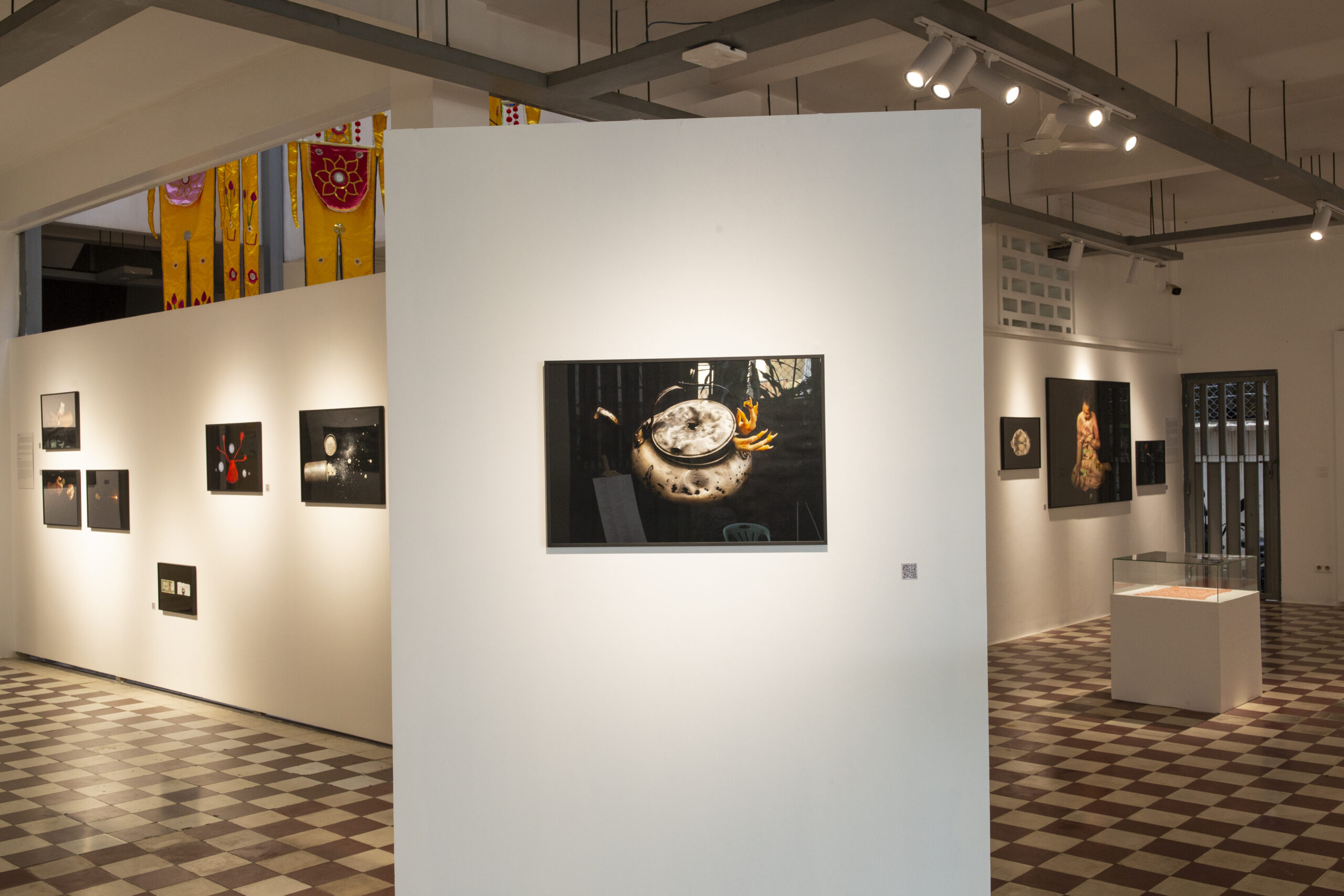
The Bophana Audiovisual Resource Center last week announced the conclusion of the first run of ALIVE, the major exhibition by Cambodian artist Kim Hak, directed by Rithy Panh and curated by Moeng Meta and in collaboration with the Rei Foundation Limited, which has attracted an estimated 2,000 visitors since opening in mid-October. Due to continuing public interest, Bophana has confirmed that the exhibition will transition into an extended presentation as part of the Photo Phnom Penh Festival, with the photographs remaining on view until 19 December 2025 while the original objects featured in ALIVE are now being returned to their owners.
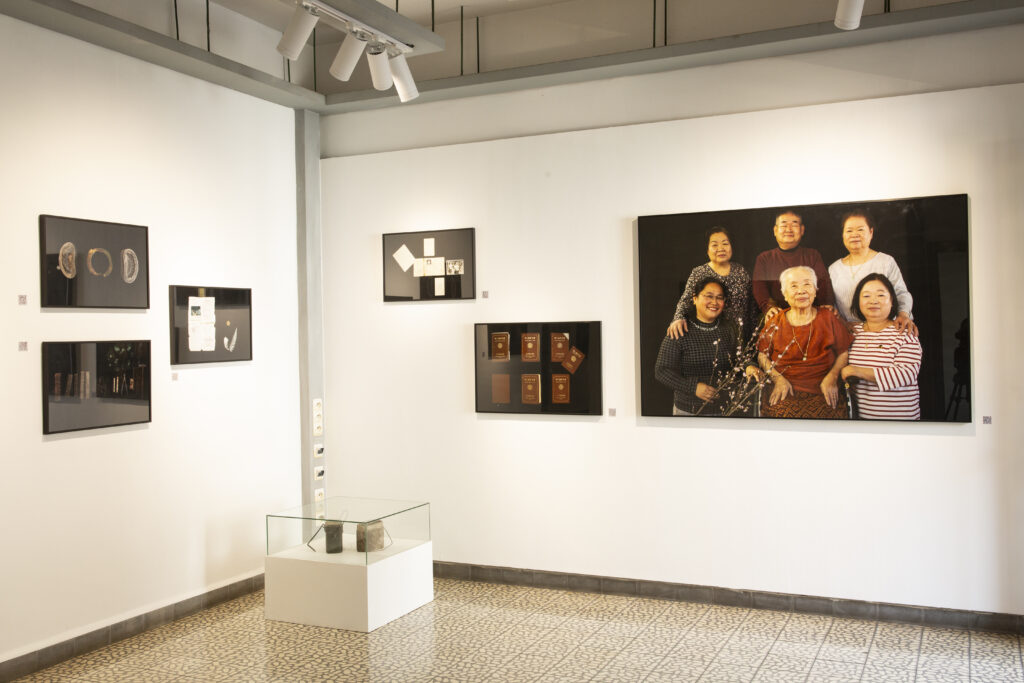
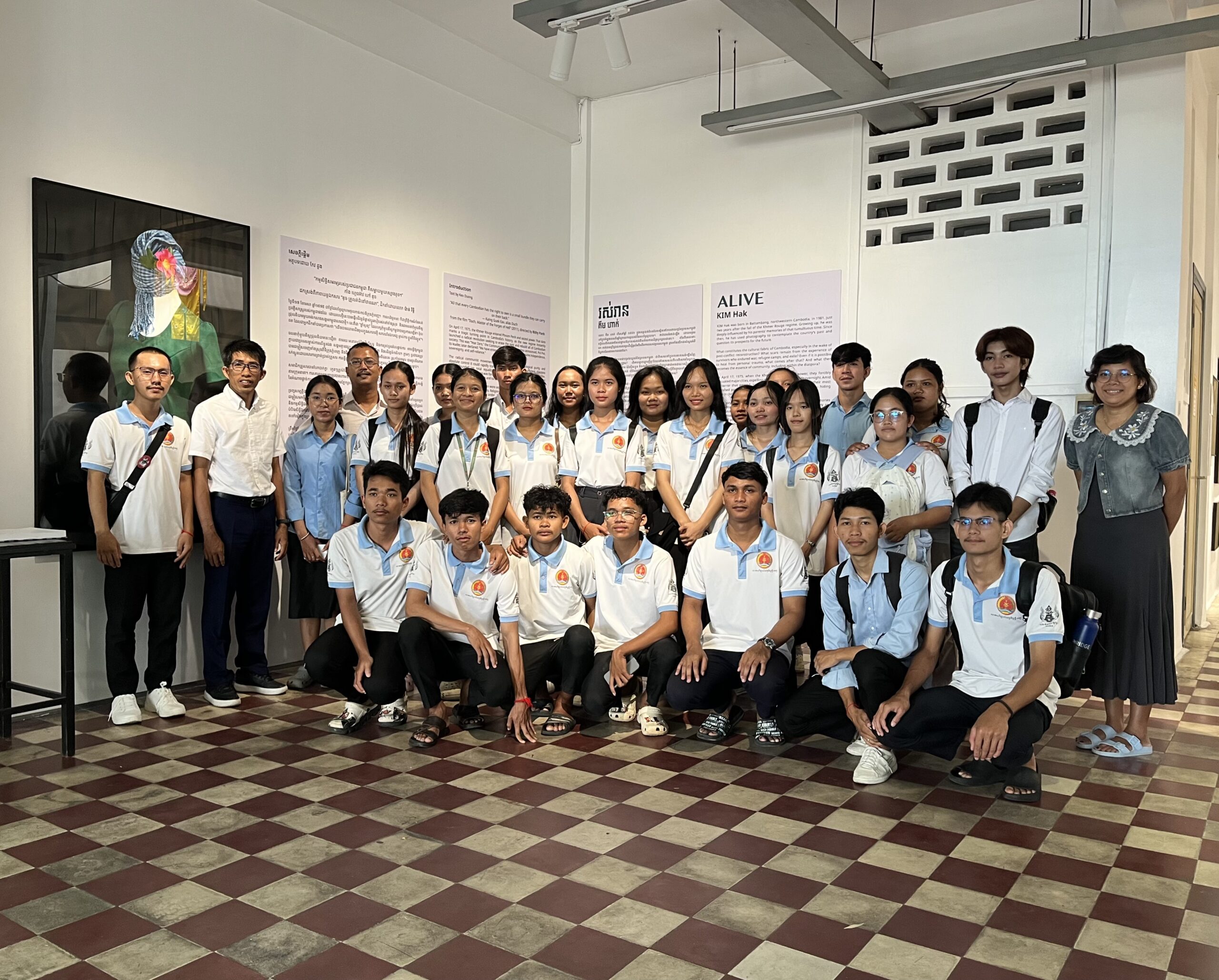
Over the past month, the exhibition has drawn a wide range of visitors, including school and university groups, families, community organisations, and Cambodians returning from abroad. Many school groups visited as part of an education programme designed to help young audiences connect with the country’s history through visual storytelling. Keo Duong, a lecturer of history at the Royal University of Phnom Penh (RUPP) who led three classes to visit the exhibition, shared that students responded strongly to the experience. “They really appreciated the innovative approach to presenting history differently from what they normally learn from reading books. Many chose to describe photos that felt emotional or connected to their own family stories. The photo of the man with his last letter from his mother in Japan was especially powerful.”
Artist Kim Hak shared his personal reflection on the closing of the exhibition:
“This is the first time that an exhibition of my long-term project ‘Alive’ put together a selection from all four chapters, and it shows back home in Cambodia, at Bophana Center, in the capital city Phnom Penh. Now that 50 years have passed, through this exhibition I hope that visitors could receive the messages I have tried to convey and learn how people carried all of these objects from their homes, became displaced by force, moved through work camps, refugee camps and continued on to new homes/host countries. And I hope that visitors are also able to self-reflect, and question themselves ‘What would they take with them if war breaks out in their homeland?’ Through the exhibition ‘Alive’ and looking at the world these days, conflicts and wars are still happening, creating new displacement/refugees. I do hope that people think more about humanity and peacebuilding. This is my message out of this exhibition.”
Reflecting on the wider impact of ALIVE, Creative Director Rithy Panh stated:
*“The exhibition undeniably generates interest among the public. Kim Hak’s work inspires admiration and respect, and the use of the Bophana space is remarkable. [Bophana’s Director] Sopheap CHEA has decided to extend the exhibition. The young and school audiences are not yet accustomed to discovering artistic work. Some are even discovering the Bophana Center.
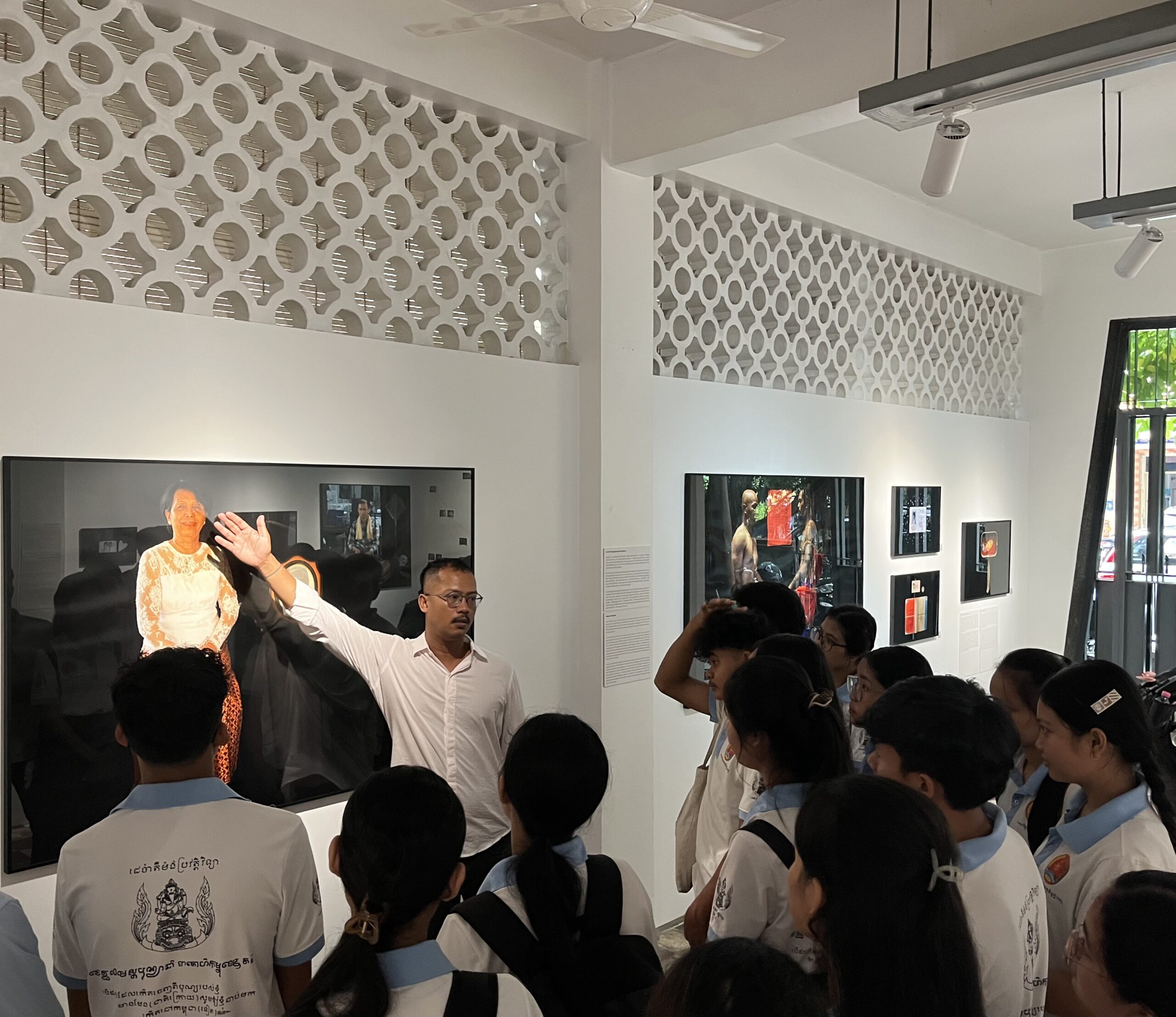
Therefore, the team’s decision is justified, as we need time to work with students as well as others. It’s an educational approach that allows for the discovery of what photography and art are, but also memory. Because the fundamental aspect of Kim Hak’s work is this: the transmission of memory. Without culture, there will be no reflection on our trauma or healing of this wound. I notice that people continue to come, including Cambodians from North America or Europe.
It is unfortunate that many of them do not wish to be registered on the visitor list. Surely, the fear of leaving a name, an identity, an address somewhere still inspires caution. This is also a form of trauma: remaining silent. And this is where the work becomes essential. Indeed, I have seen that people are starting to speak out, the younger ones are questioning, the older ones are sharing stories, thus creating an exchange between generations.
If possible, it would be good to continue the exhibition in Battambang and Siem Reap.”*
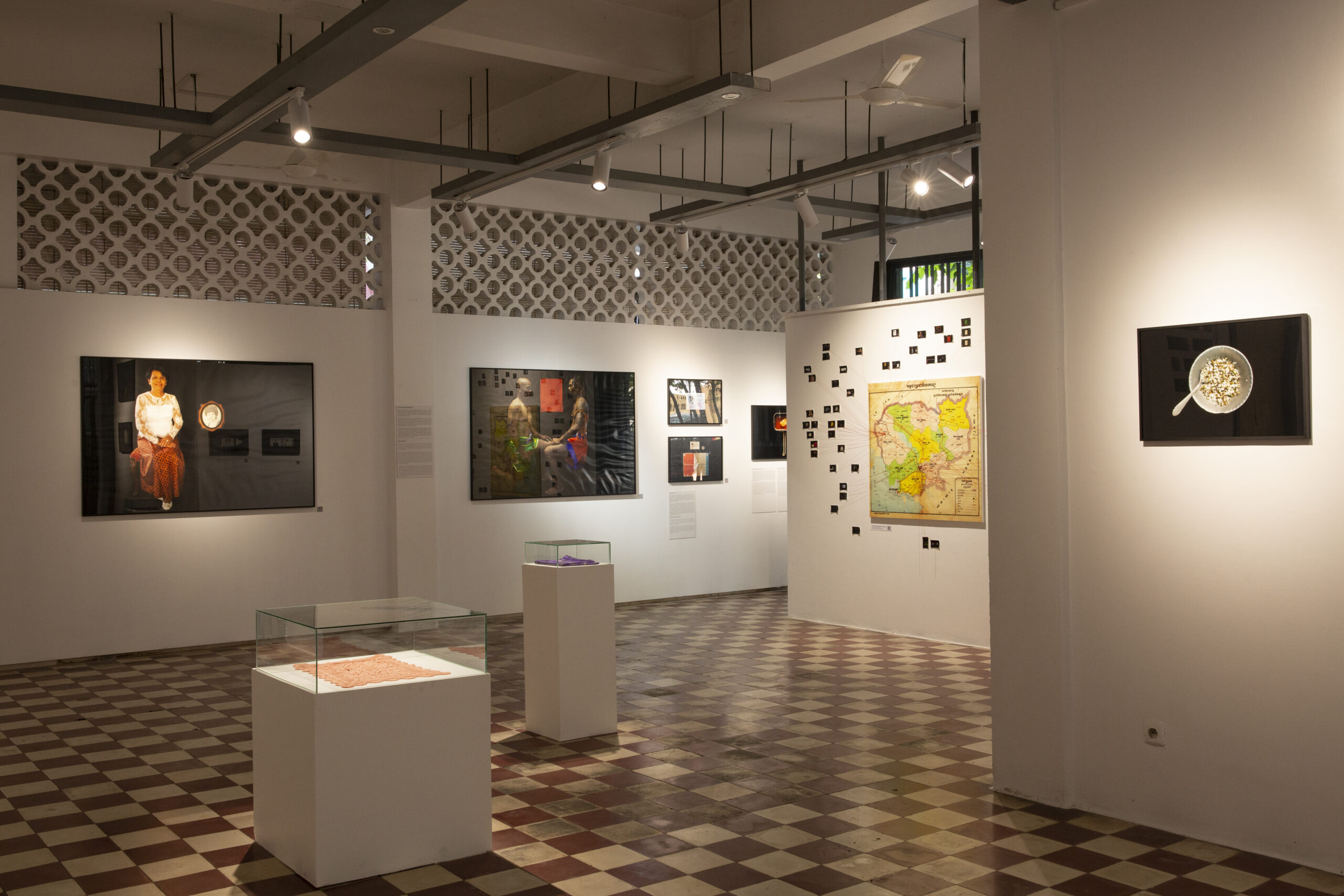
Throughout October and November, ALIVE brought together all four chapters of Kim Hak’s decade-long project, which documents the intimate objects carried, hidden, or preserved by Cambodian families through periods of war, displacement, and rebuilding. Visitors often stayed for long periods, revisiting the exhibition or bringing relatives, with many describing the photographs and objects as reminders of their own family histories. The exhibition has encouraged conversations between generations, with younger visitors asking questions and older visitors sharing memories they may not have spoken about before.
With the conclusion of the formal ALIVE exhibition, its continuation until 19 December 2025 under the Photo Phnom Penh Festival will allow the public additional time to engage with the photographs. Educational sessions and guided walk-throughs will continue during the extended run.
About ALIVE
ALIVE is a long-term, ongoing photography project that began in Battambang in 2014 and has since evolved through international chapters in Australia, New Zealand, and Japan. Each chapter explores the memories embedded in everyday objects that survived Cambodia’s turbulent past. The Phnom Penh exhibition brings these narratives together in one place for the first time, featuring large-scale photographs and selected original objects that were hidden, preserved, or carried through generations. The exhibition transforms private acts of survival into a collective story.
About Bophana Center
Founded in 2006 by renowned filmmaker Rithy Panh and Ieu Pannakar, the Bophana Audiovisual Resource Center is dedicated to restoring Cambodia’s audiovisual heritage and preserving collective memory. Named after Bophana, a young woman executed at S-21 for her defiant letters of love and resistance, the Center stands as a living monument to the power of remembrance. Bophana is a member of the International Federation of Television Archives (FIAT) and the International Federation of Film Archives (FIAF), ensuring world-class preservation and exhibition standards.
About Rei Foundation Limited
Rei Foundation Limited was established in New Zealand as a charitable company in 2012 with a vision of a world that fosters the wellbeing of all people. Rei Foundation’s focus is on supporting projects that work towards a society that builds confidence in individuals and communities, and that respects diversity and recognises that diversity of individuals and communities is a strength. Rei Foundation has collaborated with diverse partners in New Zealand, Japan, Tonga, Malawi and Cambodia to facilitate this positive development.
Rei Foundation’s first encounter with Kim Hak’s work was at a photography festival in New Zealand in 2017. His Alive series of works were exhibited as part of this festival, and it was clear that his message of his works had the power to strongly connect people across national, cultural and customary boundaries.
The following year, Rei Foundation began collaborating with Kim Hak on Alive Chapter III, with works featuring the Cambodian immigrant community in Auckland. These works were then exhibited in Auckland and Phnom Penh, and published in book form. They were ultimately acquired by the Auckland War Memorial Museum to be safeguarded as an important resource on the citizens of Auckland for future generations. Following the production of Alive Chapter IV in Japan, Rei Foundation also collaborated with Kim Hak on exhibitions of that chapter in Tokyo and Yokohama in 2022 and 2023.