
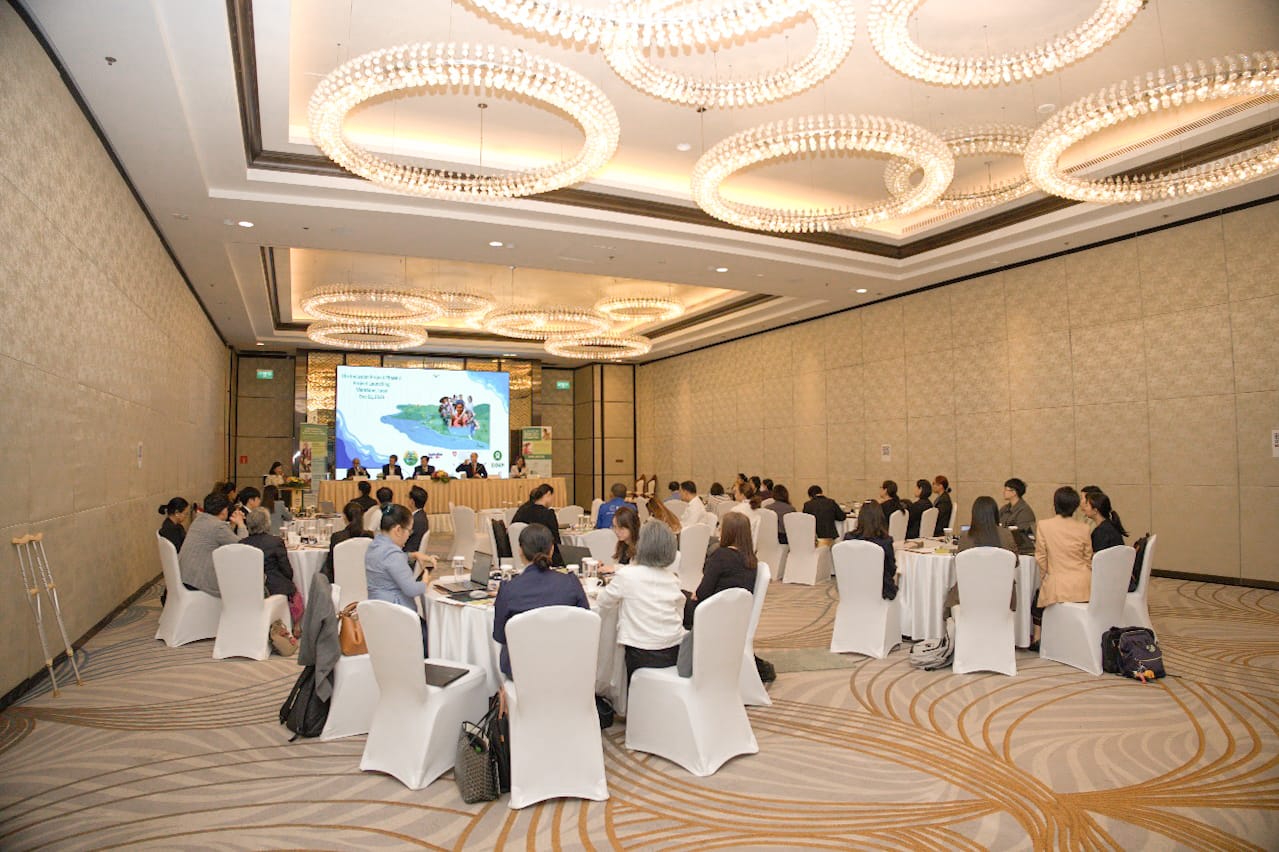
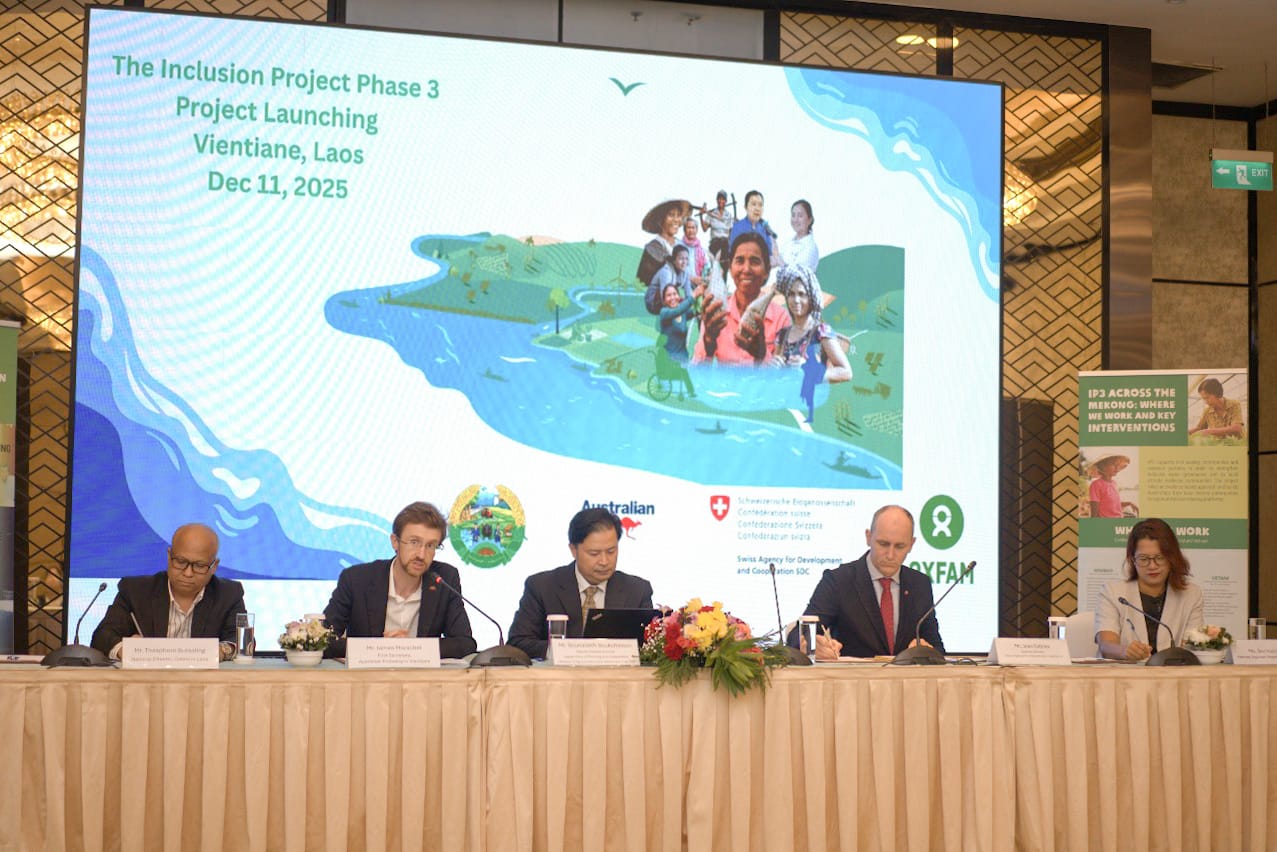
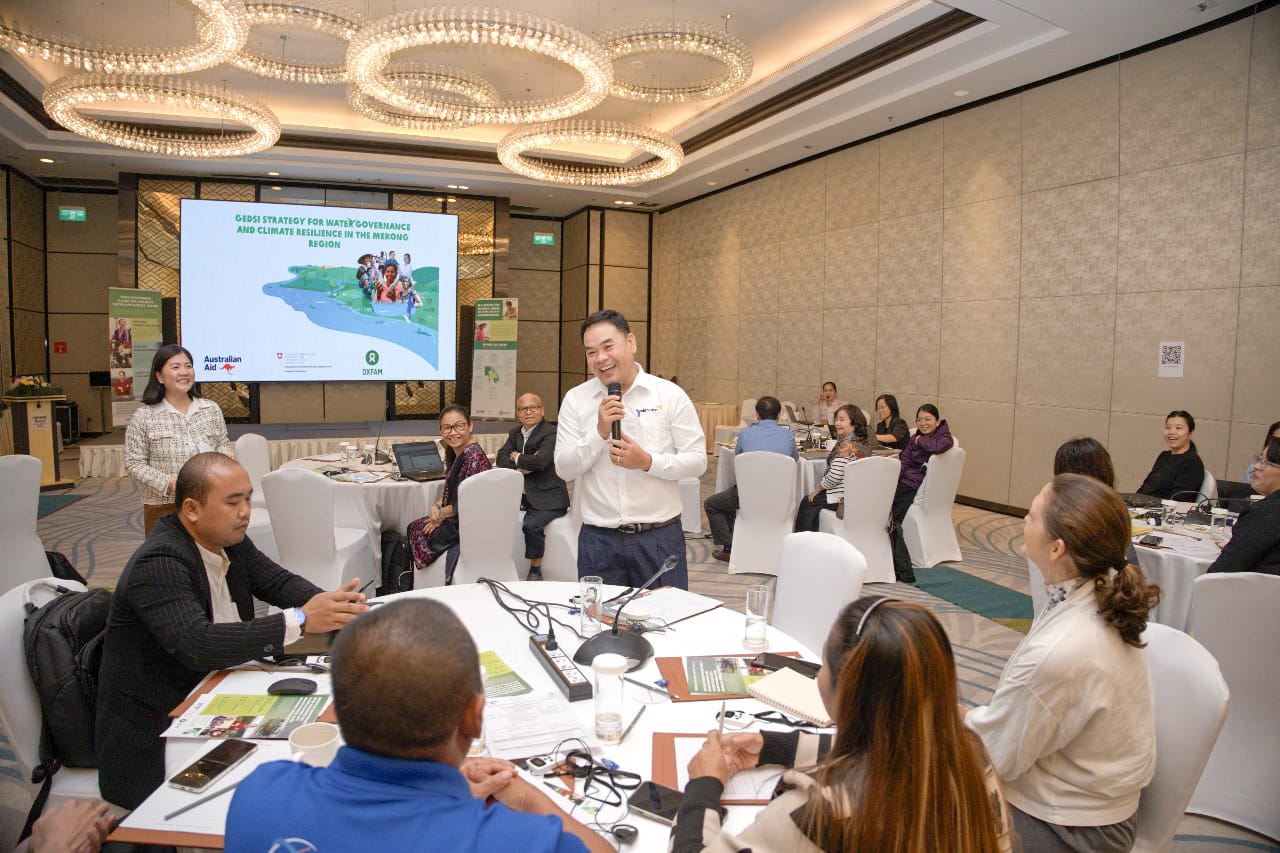
VIENTIANE, December 12, 2025: Oxfam and its partners gathered today at the Crowne Plaza Hotel in Vientiane to launch the Mekong Inclusion Project Phase 3 Water Governance and Climate Resilience (IP3). The five-year commitment aims to secure the livelihoods of riverine communities in the region from the rising tide of climate change.
The Mekong region is facing increasingly unpredictable weather patterns. The IP3 project (2025–2029) aims to bridge the gap between high-level policy and the varying challenges faced by communities living along the river.
The project, which is funded by the Australian Government through the Mekong Australia Partnership (MAP) and the Swiss Agency for Development and Cooperation (SDC), will also integrate water governance with climate resilience to ensure that decisions made at the top trickle down to the people most affected on the ground, to guarantee maximum impact.
The project has been implemented in various phases, with previous iterations of the programme focused on inclusive governance. However, given the current environment, IP3 recognises that water security can no longer be separated from climate resilience.
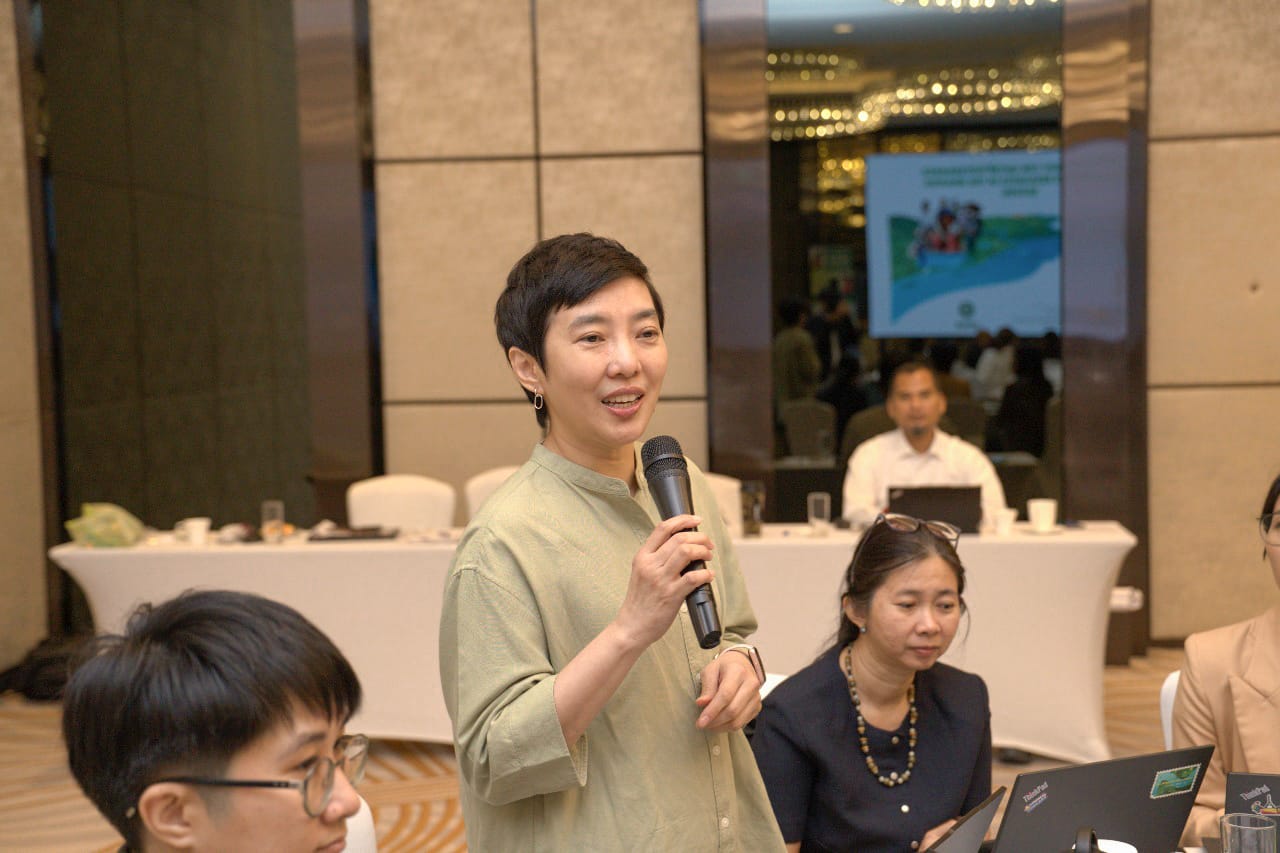
Socheata Sim, Oxfam’s Mekong IP3 Project Manager said: “You can’t talk about the MekongRiver without talking about the people who rely on it for their food, their income and their culture. This new phase is about shifting power. It is about ensuring that women, Indigenous People, People with Disability, and marginalised groups and local communities aren’t just adapting to climate disasters and change in rivers flow but are actively sitting at the table where decisions about their rivers are made.”
From Inception to Action
Following a six-month design phase to form the team and build the strategy, today’s workshop in Vientiane marks the program’s implementation. About 35 key stakeholders, including government representatives, civil society leaders and development partners from Cambodia, Thailand, Laos, Vietnam and Myanmar, came together to discuss the program’s overarching vision.
This discussion was centred around three main outcomes that the project will focus on in the next five years:
● Empowering Leadership: Empowering women and marginalised groups to influence water and climate policy.
● Inclusive Policy: Working alongside regional governments to ensure planning processes in water resources governance and climate changes are in alignment with the diversity of those who use and depend on the river for their daily livelihoods.
● Community Action: Raising awareness among riverine communities about their own risks and how to implement adaptation plans to enhance their resiliency.
Mr. James Morschel, First Secretary of Australian Embassy in Vientiane, Representative from DFAT, said “Australia is proud to support the IP3 through the Mekong Australia Partnership Program. We believe that durable solutions for the Mekong must be inclusive. By strengthening water governance, we’re investing in the long-term stability and well-being of the region.”
“Switzerland strongly believes that equitable water governance is only possible when the people most affected by water decisions are empowered to participate meaningfully in shaping them. Through IWGP2, we aim to strengthen exactly this: citizen participation, gender equality, and evidence-based dialogue that bridges communities, civil society, governments, and the private sector.”, said Mr. Jean Gabriel, Regional Director of SDC,
A Government representative from Laos welcomed the launch, while acknowledging that transboundary challenges require strong regional cooperation, as well as a shared understanding of water security.
ENDS
Contact information:
Socheata Sim, Mekong IP3 Project Manager, Oxfam
Phetvilay Phommesay, Gender and Inclusion Program Coordinator, Oxfam